
Designing Energy Efficient Homes on a Budget
Designing an energy-efficient home on a budget is totally possible with the right approach. Start by focusing on insulation—options like cellulose or recycled denim are cost-effective and eco-friendly. Choose Energy Star-rated appliances that not only save energy but often come with rebates. Incorporate smart technology like programmable thermostats to optimize settings automatically. You'll see a significant reduction in utility bills while elevating your home's value. By selecting sustainable materials and employing passive solar design, you can enhance comfort and efficiency. Stick around to uncover more ways to maximize your home's energy efficiency without breaking the bank.
At a Glance
- Prioritize proper insulation techniques, such as fiberglass batts or cellulose, to significantly reduce heating and cooling costs without breaking the bank.
- Invest in Energy Star-rated appliances to lower energy consumption and utility bills, often with available rebates to offset initial costs.
- Utilize smart technology, like smart thermostats and automated lighting, to optimize energy usage and enhance home efficiency.
- Incorporate eco-friendly building materials, such as recycled denim or salvaged wood, to create a sustainable home while adding unique character.
- Consider passive solar design techniques, like maximizing southern exposure and using thermal mass materials, for natural heating and lighting solutions.
Cost-Effective Energy Solutions
When it comes to creating an energy-efficient home without breaking the bank, focusing on insulation techniques and efficient appliances is key.
You'll find that proper insulation not only keeps your space comfortable but also slashes heating and cooling costs.
Additionally, integrating home battery storage can enhance your energy independence, allowing for better management of energy consumption and savings.
Coupling this with smart appliance choices can greatly improve your home's efficiency while saving you money in the long run.
Insulation Techniques Overview
Releasing the potential of your home's energy efficiency starts with the right insulation techniques.
By understanding various insulation types and their installation methods, you can create a comfortable living space while keeping costs low.
Consider fiberglass batts for a straightforward option. They're easy to install and provide excellent thermal resistance.
If you're seeking something more eco-friendly, cellulose insulation made from recycled materials can be a fantastic choice. It's not only sustainable but also effective in reducing energy loss.
For hard-to-reach areas, spray foam insulation is a winner. It expands to fill gaps, ensuring a tight seal against air leaks.
While the upfront cost might be higher, the long-term savings on energy bills can make it worthwhile.
Don't forget about insulating your attic and basement; these are key areas where heat loss often occurs.
Reflective or radiant barrier insulation can also be beneficial in warmer climates, keeping your home cooler.
Efficient Appliance Choices
Choosing the right appliances can greatly impact your energy bills, and it doesn't have to break the bank. When you opt for Energy Star-rated appliances, you're not just saving money; you're making a smart investment in your home's efficiency.
These appliances use less energy and water compared to standard models, helping you cut costs while minimizing your environmental footprint.
Don't forget to look into appliance rebates offered by local utilities or government programs. These incentives can considerably reduce the upfront costs of purchasing efficient appliances, making your shift to eco-friendly living even more affordable.
Imagine enjoying the freedom of lower energy bills while contributing to a healthier planet.
Think about your daily habits, too. Choosing a dishwasher or washing machine with eco-settings can save you both time and resources.
Small changes add up, and every choice counts when it comes to energy consumption.
Long-Term Savings Potential
When you invest in energy-efficient upgrades, you're not just saving on monthly utility bills; you're also enhancing your home's value.
Additionally, financial incentives such as tax credits can greatly reduce the upfront costs of these upgrades.
Lower energy costs mean more cash in your pocket over time, making your home not only a comfortable haven but a smart financial choice.
Lower Utility Bills
By investing in energy-efficient upgrades for your home, you can considerably lower your utility bills while adopting a sustainable lifestyle. Imagine how much freedom you'll feel when you're not shackled by high energy costs each month. By incorporating energy monitoring systems, you can track your consumption patterns and identify areas for improvement. Plus, many utility companies offer incentives for adopting energy-efficient technologies, making it even easier to invest wisely.
Here's a quick look at potential savings:
| Upgrade | Initial Cost | Monthly Savings |
|---|---|---|
| LED Lighting | $200 | $15 |
| Smart Thermostats | $250 | $20 |
| Energy-Efficient Appliances | $800 | $30 |
These upgrades not only help you save money but also contribute to a healthier planet. With each upgrade, you're taking a step toward a more eco-friendly lifestyle. Over time, the savings add up, granting you the freedom to invest in other areas of your life. Accept these changes, and watch your utility bills shrink while you enjoy a more sustainable home.
Increased Property Value
Investing in energy-efficient upgrades not only enhances your living experience but also boosts your property's long-term value.
When you incorporate smart property enhancements—like solar panels, high-efficiency windows, and effective insulation—you're not just reducing your carbon footprint; you're appealing to a growing market demand for sustainable homes. Buyers today are more environmentally conscious and are willing to pay a premium for homes that promise lower energy costs.
By making these upgrades, you position your property as a wise investment. You'll find that energy-efficient homes often sell faster and at higher prices.
Think about it: who wouldn't be drawn to a space that offers both comfort and considerable savings? When potential buyers see that your home requires less energy to maintain, they recognize the long-term savings they can enjoy.
Moreover, as energy prices continue to rise, the value of your investment only increases. You're not just improving your living space; you're securing a brighter, more sustainable future for both you and the planet.
Key Design Elements Uncovered
When designing your energy-efficient home, consider incorporating passive solar techniques that utilize natural light for warmth and illumination.
This approach, along with efficient energy conversion strategies, can greatly enhance energy savings.
Pair that with effective insulation solutions to keep your space cozy and minimize energy loss.
These elements not only enhance comfort but also lower your utility bills, making sustainability achievable on any budget.
Passive Solar Design Techniques
Often overlooked, passive solar design techniques can convert your home into an energy-efficient haven without breaking the bank. By focusing on solar orientation, you can harness the sun's natural energy to keep your living spaces comfortable throughout the year. Positioning your home to maximize southern exposure allows sunlight to flood in during winter months, warming your interior while minimizing heating costs.
Incorporating thermal mass materials, like concrete or brick, can further enhance your home's energy efficiency. These materials absorb heat during the day and release it slowly at night, stabilizing indoor temperatures and reducing your reliance on mechanical heating and cooling. You'll feel the difference as your home maintains a cozy atmosphere, even as outdoor temperatures fluctuate.
Consider adding large windows or strategically placed overhangs to control sunlight and shading. This way, you can enjoy bright, airy spaces without overheating in summer.
With these innovative and practical design techniques, you're not just creating a comfortable living environment; you're embracing a lifestyle that values sustainability and freedom from high energy bills. Immerse yourself in passive solar design, and reshape your home into an eco-friendly sanctuary.
Efficient Insulation Solutions
Efficient insulation solutions are essential for maintaining a comfortable home while minimizing energy costs. By choosing the right insulation types, you can greatly enhance your home's thermal performance, keeping it cozy in winter and cool in summer. Here's a quick overview of popular insulation options that can fit your budget and eco-friendly goals:
| Insulation Type | Thermal Performance |
|---|---|
| Fiberglass | R-2.9 to R-3.8 per inch |
| Spray Foam | R-5.0 to R-6.5 per inch |
| Cellulose | R-3.1 to R-3.7 per inch |
Each option offers unique benefits. Fiberglass is affordable and widely available, while spray foam provides superior air sealing, which can lead to lower energy bills. Cellulose, made from recycled paper, is an eco-friendly choice that's both sustainable and effective.
Consider your climate, budget, and sustainability values when selecting insulation. By investing in the right insulation solutions, you're not only improving comfort but also enabling yourself to live freely in a home that works for you and the planet. Choose wisely, and enjoy the benefits of efficient insulation!
Selecting Suitable Materials
When you're building an energy-efficient home, choosing the right materials can make all the difference.
Incorporating green building materials not only reduces environmental impact but also guarantees a more sustainable future.
Opt for eco-friendly building materials that not only reduce your carbon footprint but also enhance your home's longevity.
Plus, exploring cost-effective insulation options can help you save on energy bills while keeping your space cozy year-round.
Eco-Friendly Building Materials
Choosing the right eco-friendly building materials can greatly impact your home's energy efficiency and overall sustainability. When you prioritize recycled materials, you're not only reducing waste but also giving your home a unique character.
Think about salvaged wood for flooring or reclaimed bricks for a stunning façade. These materials tell a story while keeping your conscience clear.
Sustainable sourcing is another vital aspect. Opt for local suppliers who prioritize eco-friendly practices. By purchasing materials sourced sustainably, you support your community and lower your carbon footprint from transportation.
You can find bamboo, a fast-growing plant, as a fantastic alternative to traditional hardwoods. It's durable, stylish, and requires minimal resources to grow.
Additionally, consider using low-VOC paints and finishes to improve your indoor air quality. They're better for your health and the environment.
Embrace the freedom that comes with crafting a home that reflects your values. By selecting eco-friendly materials, you create a space that not only looks good but feels good, too.
Your choices today can lead to a more sustainable tomorrow, allowing you to enjoy your home while knowing you've made a positive impact on the planet.
Cost-Effective Insulation Options
After selecting eco-friendly building materials, the next step in enhancing your home's energy efficiency is finding cost-effective insulation options. You'll realize that insulation doesn't have to be expensive when you apply recycled materials and adopt DIY insulation techniques. These methods allow you to take control of your space while saving money.
Here's a quick guide to some cost-effective insulation options:
| Insulation Type | Benefits |
|---|---|
| Recycled Denim | Eco-friendly, soundproofing |
| Cellulose | Made from recycled paper, great thermal resistance |
| Straw Bales | Renewable, excellent insulation |
| Foam Board | Rigid, moisture-resistant |
| Wool Insulation | Natural, sustainable |
Lower Utility Bills Overall
Upgrading to smart energy appliances can be a transformative solution for your utility bills.
These innovative devices not only optimize energy usage but also adapt to your lifestyle, helping you save money effortlessly.
Smart Energy Appliances
Embracing smart energy appliances can considerably cut your utility bills while enhancing your home's eco-friendliness. By integrating smart technology, you can take control of your energy consumption, making your home not just comfortable but also efficient.
Here's how different smart appliances contribute to energy savings:
| Appliance Type | Benefits | Features |
|---|---|---|
| Smart Thermostats | Adjusts temperature automatically | Energy monitoring |
| Automated Lighting | Turns off/on based on need | Home automation |
| Smart Meters | Tracks energy usage in real-time | Demand response |
| Energy Storage | Stores energy for later use | Works with renewable sources |
| Energy Audits | Identifies savings opportunities | thorough assessment |
Utilizing smart thermostats can optimize your heating and cooling, while automated lighting guarantees you're not wasting energy. Smart meters provide clear observations into your consumption, allowing for informed decisions. With energy storage, you can capitalize on renewable energy for when you need it most.
Frequently Asked Questions
What Are Some DIY Tips for Energy-Efficient Home Improvements?
You can enhance your home's efficiency by tackling insulation upgrades and adding energy-efficient window treatments. These DIY projects not only lower your bills but also create a comfortable, eco-friendly space that reflects your freedom-loving spirit.
How Can Landscaping Contribute to Energy Efficiency?
"Don't put all your eggs in one basket." By planting shade trees and installing green roofs, you can naturally cool your home, reduce energy consumption, and create an eco-friendly haven that offers freedom from high utility bills.
What Technologies Can Help Monitor Energy Usage?
You can monitor energy usage effectively with smart meters and energy monitors. These technologies enable you to track consumption, identify savings opportunities, and make informed decisions, giving you the freedom to live sustainably while reducing costs.
Are There Grants Available for Energy-Efficient Home Design?
You've got federal incentives and local programs ready to support your eco-friendly efforts. Immerse yourself in your community resources, investigate options, and release your creativity for a sustainable, energy-efficient home that's budget-friendly!
How Can Homeowners Educate Themselves About Energy Efficiency?
You can educate yourself about energy efficiency by researching online resources and scheduling energy audits. These tools help you understand your home's energy use, enabling you to make eco-friendly choices that promote freedom and sustainability.
Explore More
By weaving together smart design and sustainable choices, you can change your home into a cozy sanctuary that thrives on efficiency. Imagine basking in the warmth of natural light while your energy bills shrink like a forgotten sweater in the wash. With each thoughtful decision, you're not just saving money; you're nurturing the planet. Welcome these cost-effective solutions and watch your dreams of an eco-friendly home blossom, proving that green living doesn't have to break the bank.
Related Posts
-
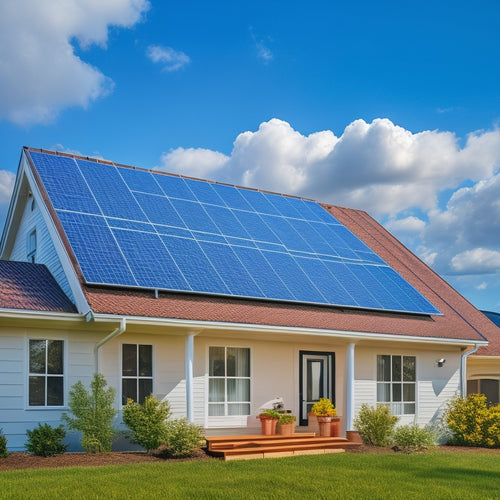
Cost of Solar Panel Installation
You can expect to pay between $15,000 and $30,000 or more for a typical solar panel installation, depending on the sy...
-
Applications of Photovoltaic Systems
Photovoltaic systems are versatile, converting sunlight into electricity for various applications. You can use them i...
-

Top Solar Powered Camping Fans for Camping Enthusiasts
If you're a camping enthusiast, a solar-powered fan can be a transformative element for your outdoor experience. Thes...
